For families in Wajir, reaching a specialist who operates on children’s eyes can mean a journey far from home. Transport, accommodation and time away from work all stand between a child and treatment.
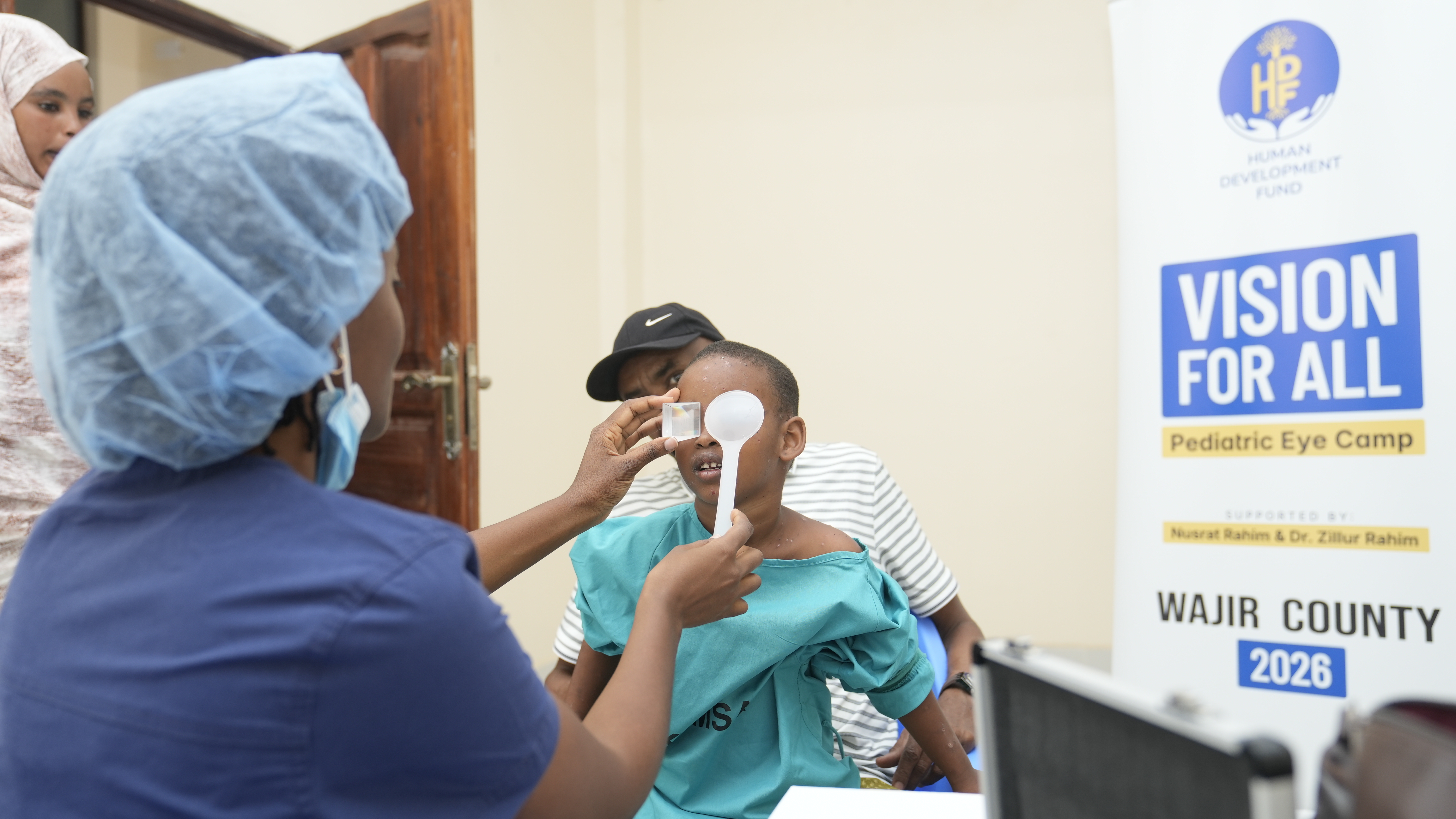
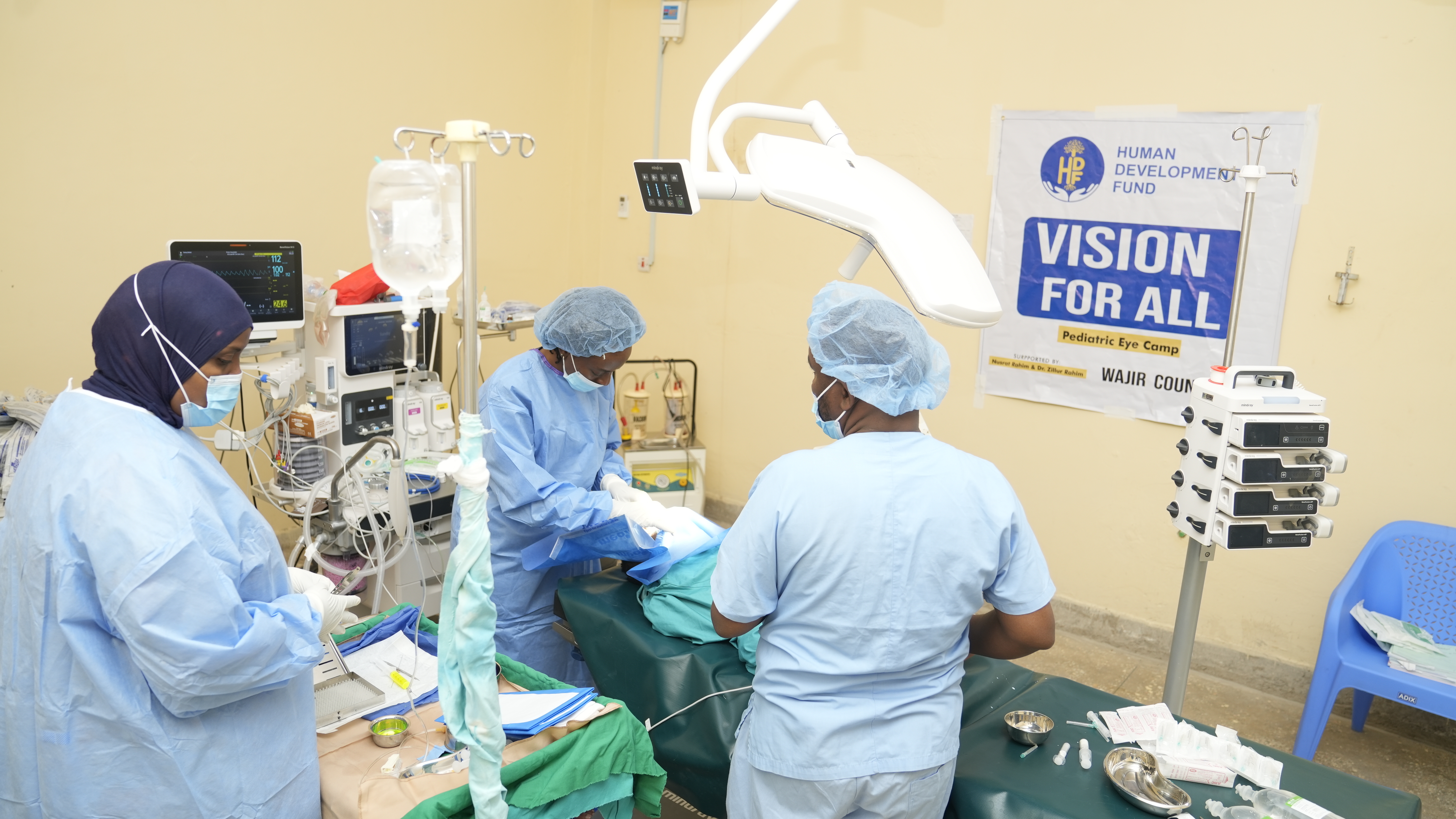
Over four days, HDF’s Wajir eye camp brought that care closer. Alhamdulillah, 23 children underwent eye surgery at Makoror Level 4 Hospital, following screening at Wajir County Referral Hospital. The team assessed 82 patients and referred five for further specialist care.
Reaching an eye specialist in Wajir
Many families in the county depend on livestock for their income. Moving in search of water and pasture can place them farther from clinics and make repeat appointments difficult. Even reaching a referral hospital within the county can involve a costly trip.
When a child needs care outside Wajir, the arrangements grow more demanding. Parents must find transport, somewhere to stay and a way to keep the household going while they are away. Bringing a pediatric eye team to the county allowed children to receive treatment without making that longer journey.
Screening 82 patients at the Wajir eye camp
The camp began at Wajir County Referral Hospital. There, clinicians assessed patients and identified the care each person needed.
Before surgery, the team examined children’s eyes, reviewed their diagnoses and assessed their fitness for anesthesia. They also considered whether the procedure could be performed at Makoror Level 4 Hospital during the camp.
Those assessments guided the next step for each child. Some could receive treatment locally. Others needed a referral to a specialist eye center with services beyond the camp’s scope.
The treatment children received
Most of the operations were cataract removals. A cataract is a clouding of the eye’s lens that can interfere with vision. The team treated both developmental cataracts, which form as a child grows, and traumatic cataracts caused by eye injuries.
The camp’s treatment also included clearing blocked tear ducts and correcting squints, where the eyes point in different directions. The team fitted prosthetic eyes for children who had lost an eye.
Timely treatment matters because children’s vision is still developing. When an eye cannot send a clear image to the brain, vision may not develop normally. This is called amblyopia. Surgery may address the underlying eye condition, but some children also need further treatment to help their vision develop.
For the families whose children received surgery, the camp made specialist treatment available within Wajir. It also made clear where further care was needed: five patients received referrals to specialist eye centers.
Care continues after the camp
At the time of the field update, the 23 children who had surgery were recovering. Their progress will depend on their individual conditions and the follow-up care they need.
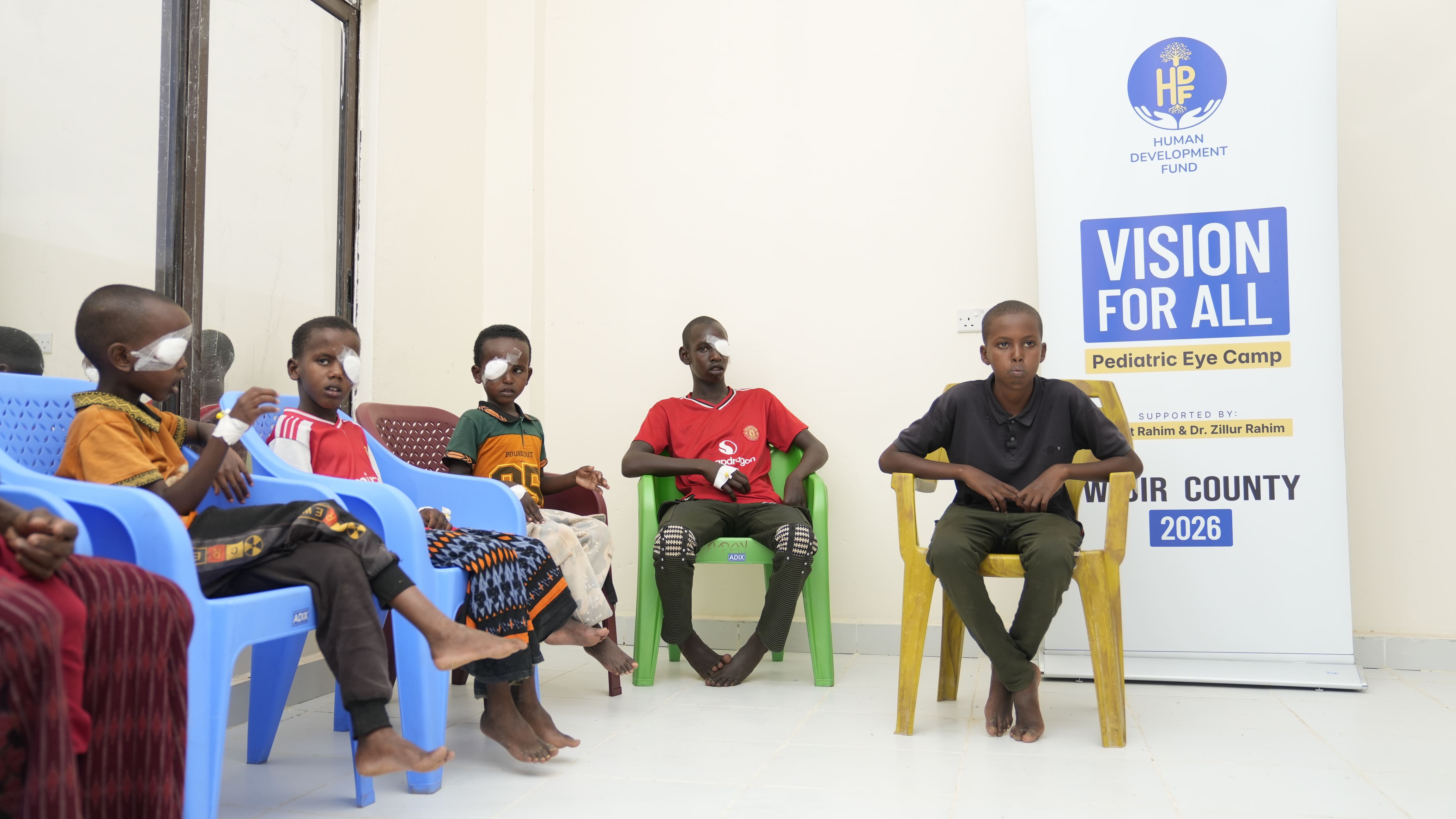
For children treated for cataracts, that care may include glasses, contact lenses or prescribed patching, alongside clinical reviews. The operation is one part of treatment, and families still need to be able to reach appointments afterward.
The field team also reported that the five referred children were waiting for further care. Transport, accommodation near a specialist hospital and treatment costs remained practical needs for those families.
This camp brought screening and surgery closer to home. The next part of the story is helping children continue along the care pathways identified for them, whether through recovery appointments or specialist referrals.
Donor generosity makes HDF’s medical camps possible. To help sustain this work, explore ways to give through HDF’s eye care program.