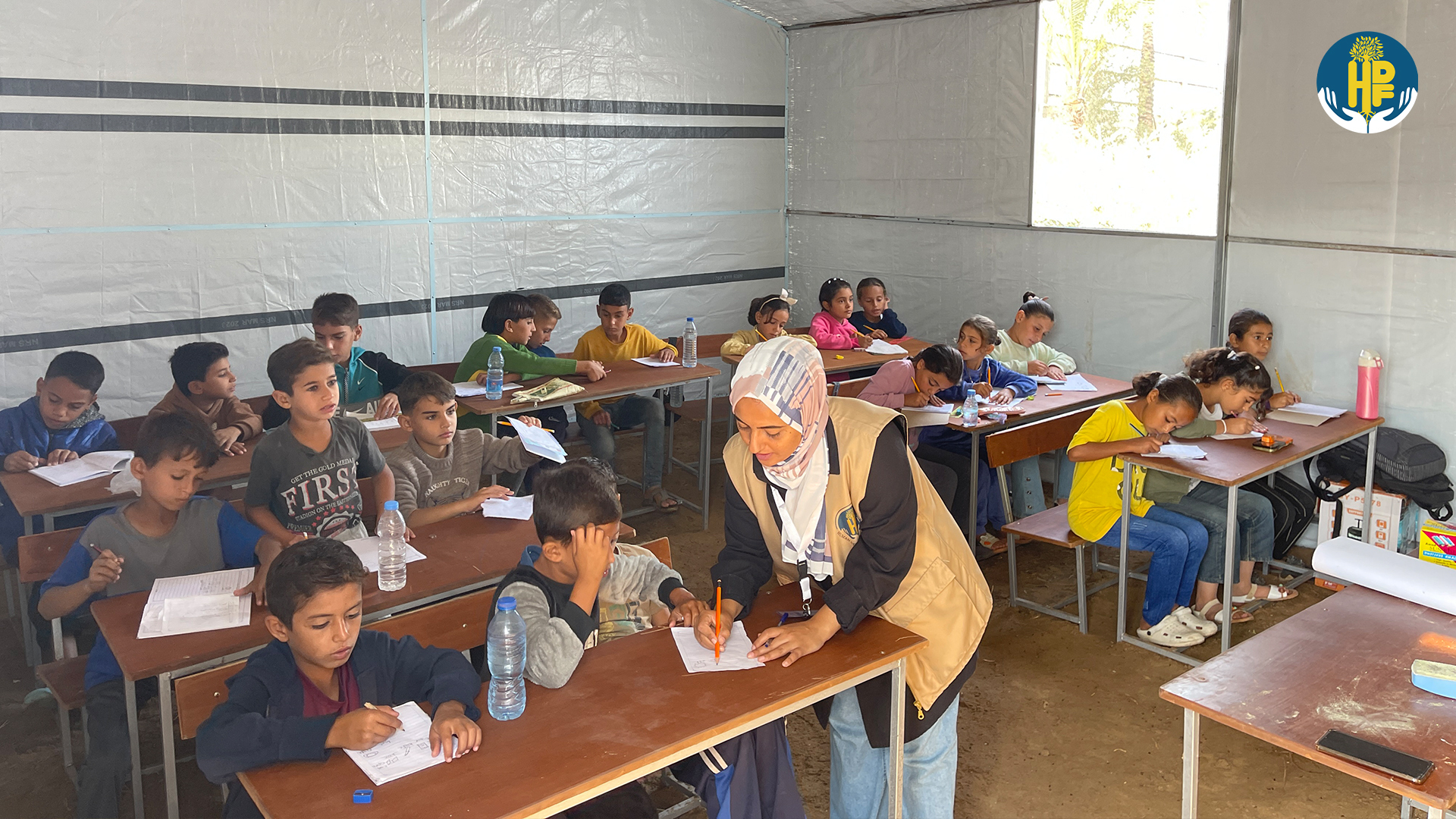

This fall, the Human Development Fund (HDF) launched its Orphan Care Program for 400 orphaned children in Port Sudan and Bangladesh. The program brings education, food, healthcare, and psychosocial support together so children do not receive one form of assistance while another essential need goes unanswered.
In Port Sudan, the program serves 100 children. In Bangladesh, it serves 300 children, including 100 in North Bengal and 200 in the Rohingya camps. Children in Bangladesh also receive child protection services.
The program exists because members of HDF’s donor community committed to it before its public launch. Their early support established places for these children and made it possible to invite more sponsors into the work.
How the Orphan Care Program Works
An urgent distribution can meet an immediate need. Children also need continuity: the ability to stay in school, eat nourishing food, receive medical attention, and have reliable emotional support around them.
Instead of running these services as unrelated efforts, HDF coordinates four forms of assistance within one program:
- Education assistance
- Food assistance
- Health screenings and treatment
- Structured psychosocial support
The Bangladesh program adds child protection services. This structure keeps assistance connected around each child rather than scattered across separate projects.
Port Sudan: 100 Children
Families across Sudan have spent years navigating conflict, displacement, and rising costs. For orphaned children, that instability can interrupt schooling and make nutritious food, medical treatment, and consistent psychosocial support harder to access.
In Port Sudan, 100 children receive all four core services through the program. Every child enrolled is there because a donor chose to fund a place, creating support that can continue beyond a single distribution.
Supporters can view children in Sudan who are available for sponsorship.
Bangladesh: 300 Children
Across North Bengal and the Rohingya camps, HDF is supporting 300 children through the same integrated model. One hundred children are enrolled in North Bengal, while 200 are enrolled in the Rohingya camps.
Each child receives education assistance, food, healthcare, and psychosocial support. Child protection services provide an additional layer of safety within the Bangladesh program.
Supporters can view children in Bangladesh who are available for sponsorship.
Every Sponsorship Has a Child Behind It
Before the Orphan Care Program had a public announcement, donors had already chosen to help make it possible. That commitment is what turns a plan into a program a child can rely on.
The model continues through named child sponsorship. Each sponsorship helps sustain a child’s education, food assistance, healthcare, and psychosocial support throughout the program. In Bangladesh, it also contributes to child protection services.
Four hundred children. Two countries. One program designed to stay with them.
To every donor who helped launch this work before there was a headline, thank you. Your commitment gave these children a place in the program and made it possible for others to join them.
Choose a child to sponsor through HDF’s Orphan Care Program.