


“I just want to see again so I can take care of my family.”
Dubow, 63, repeated those words during a Human Development Fund (HDF) visit to his home in Wichir, Wajir County. For years, he earned a living selling firewood and charcoal. The work was physically demanding, but it helped provide for his wife, Mariam, and their five children.
During the COVID-19 period, Dubow says he suddenly lost sight in both eyes. Today, he can make out the shapes of people standing near him and little else. He cannot walk far without another person guiding him. When his sight changed, the work that sustained his family stopped.
The work ended when his sight changed
Dubow speaks about his condition through what it has meant for his children. His hope for treatment is closely tied to the possibility of working again and providing for them.
“I just want to see again so I can take care of my family,” he said.
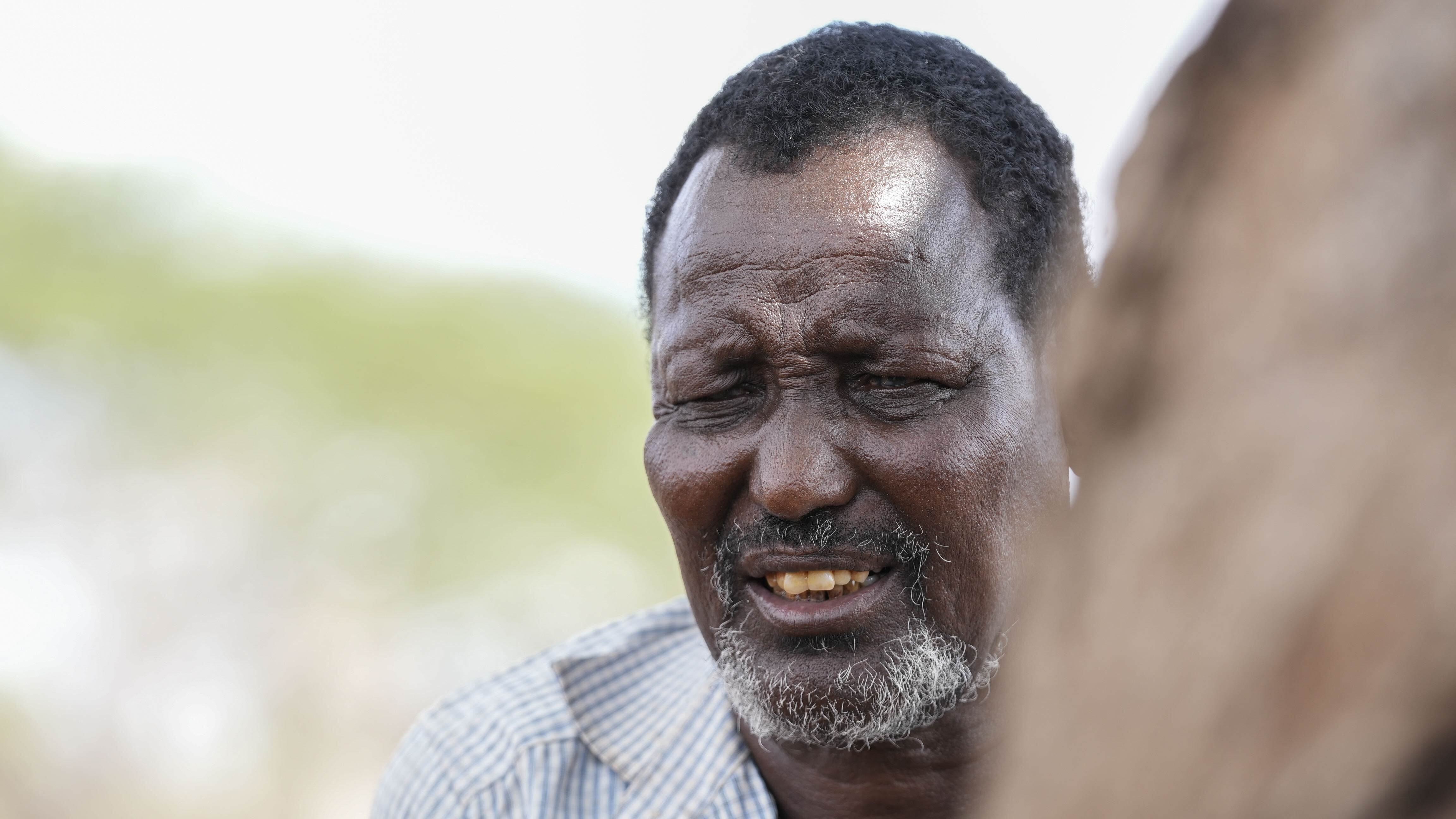
An eye assessment is the necessary first step. It could help determine the cause of his vision loss, what treatment may be possible and whether any sight can be restored. At the time of HDF’s visit, that assessment had not taken place.
Seven people without a steady income
The family’s home is assembled from the materials they have been able to find. The roof does not keep out the rain or cold.
Neighbors and other community members help when they can. In some months, an adult daughter sends KSh 5,000. The assistance is not dependable, and seven people rely on it for food and other household needs.
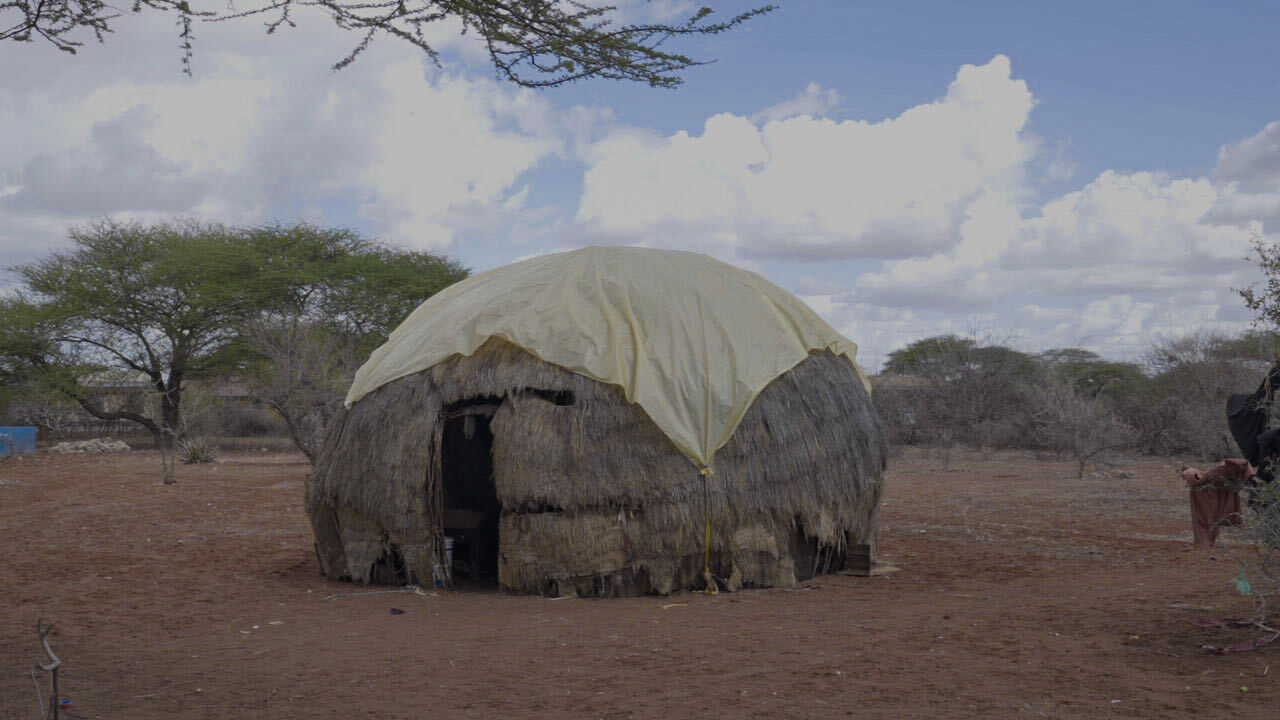
For Dubow, the condition of the home adds another concern. He wants his children to have a place that protects them when the weather changes.
Mariam faces a daily health risk
Mariam has lived with a seizure disorder for years, according to the family’s account. She experiences seizures several times a week and has not received consistent treatment.
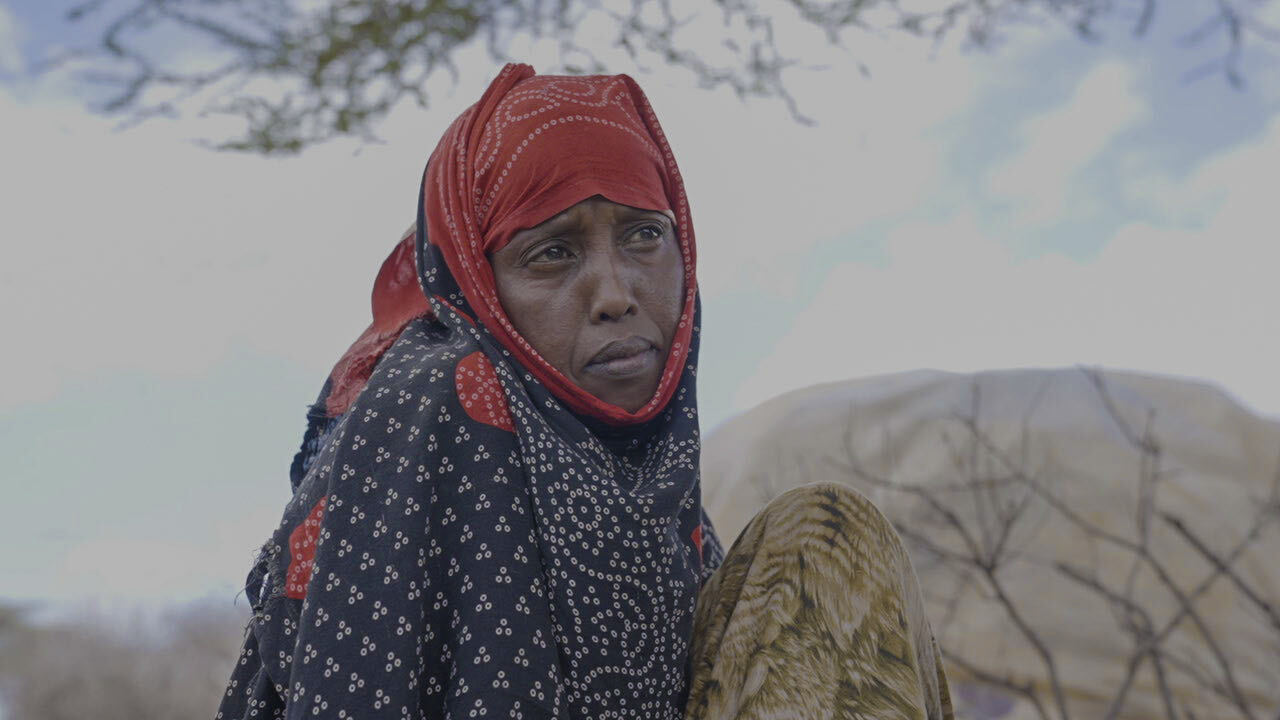
She still cooks over an open fire and walks to the well to collect water. Both tasks carry added risk if a seizure occurs, but the household still needs meals and water each day.
Consistent medical assessment and treatment could help Mariam manage her condition more safely. That assistance was also not in place when the family spoke with HDF.
Three needs remain
The visit documented three immediate needs within the same household:
- An eye assessment for Dubow to determine the cause of his vision loss and what treatment may be possible.
- Consistent medical assessment and treatment for Mariam’s recurring seizures.
- Safer shelter that protects the family from rain and cold.
These needs are connected. Health problems have affected the family’s income, while the condition of the home adds another layer of uncertainty. Any responsible response must begin with proper medical assessment and a clear plan shaped around the family’s circumstances.
Support HDF’s work in Kenya and help expand access to healthcare, shelter and other essential assistance for families facing difficult circumstances.


