


On September 17, 2026, a fire destroyed Aisha’s family home in Majengo, Nairobi. Their belongings were lost, including the wheelchair Aisha relied on every day.
Aisha was not inside when the fire began. Alhamdulillah, she was safe. Because she is nonspeaking and has limited mobility, she could not have walked out or called for help on her own.
Her safety mattered most. The next question was how her family could begin recovering and how Aisha could regain the mobility equipment that supported her daily life.
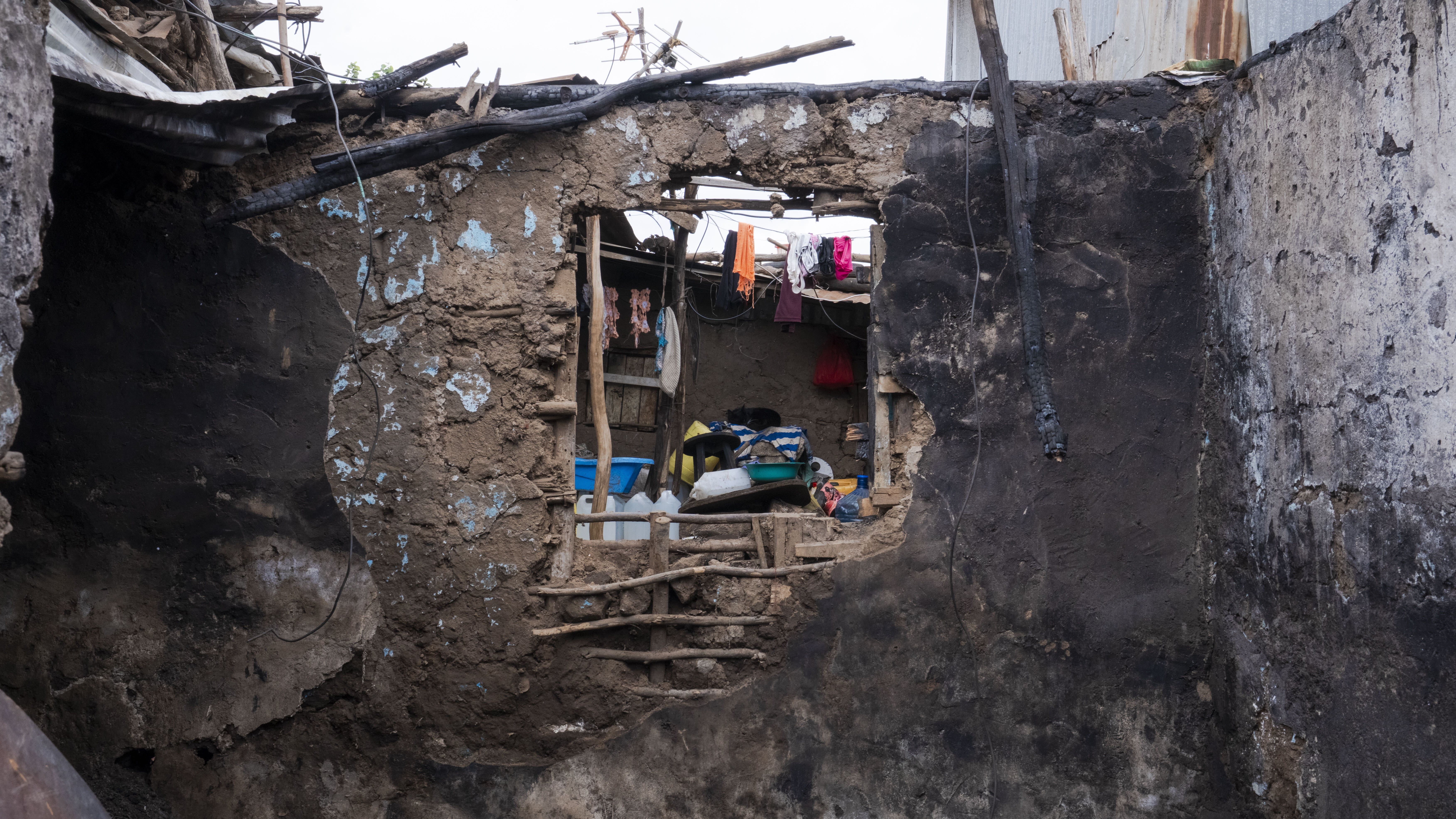
A wheelchair was part of Aisha’s daily routine
Before the fire, Aisha already received assistance through Human Development Fund (HDF) child support programs. She communicates through expressions and gestures understood by the people closest to her.
Her wheelchair helped her move around her home, spend time outdoors and participate in everyday activities with her family and community. Without it, she had to depend on other people to carry her from place to place.
Because HDF’s local team already knew Aisha and her circumstances, the family did not have to begin by explaining every aspect of her needs during an emergency. The existing relationship gave the team a clearer starting point for its response.
The assessment began with what the family needed
After the fire, HDF’s response team visited Majengo to assess the damage and speak directly with the family. The team considered both immediate needs and the assistance required for a longer recovery.
Food, bedding and basic household supplies were urgent. Restoring Aisha’s mobility required a different kind of attention. A replacement wheelchair needed to account for her physical needs and comfort rather than simply being the first available chair.
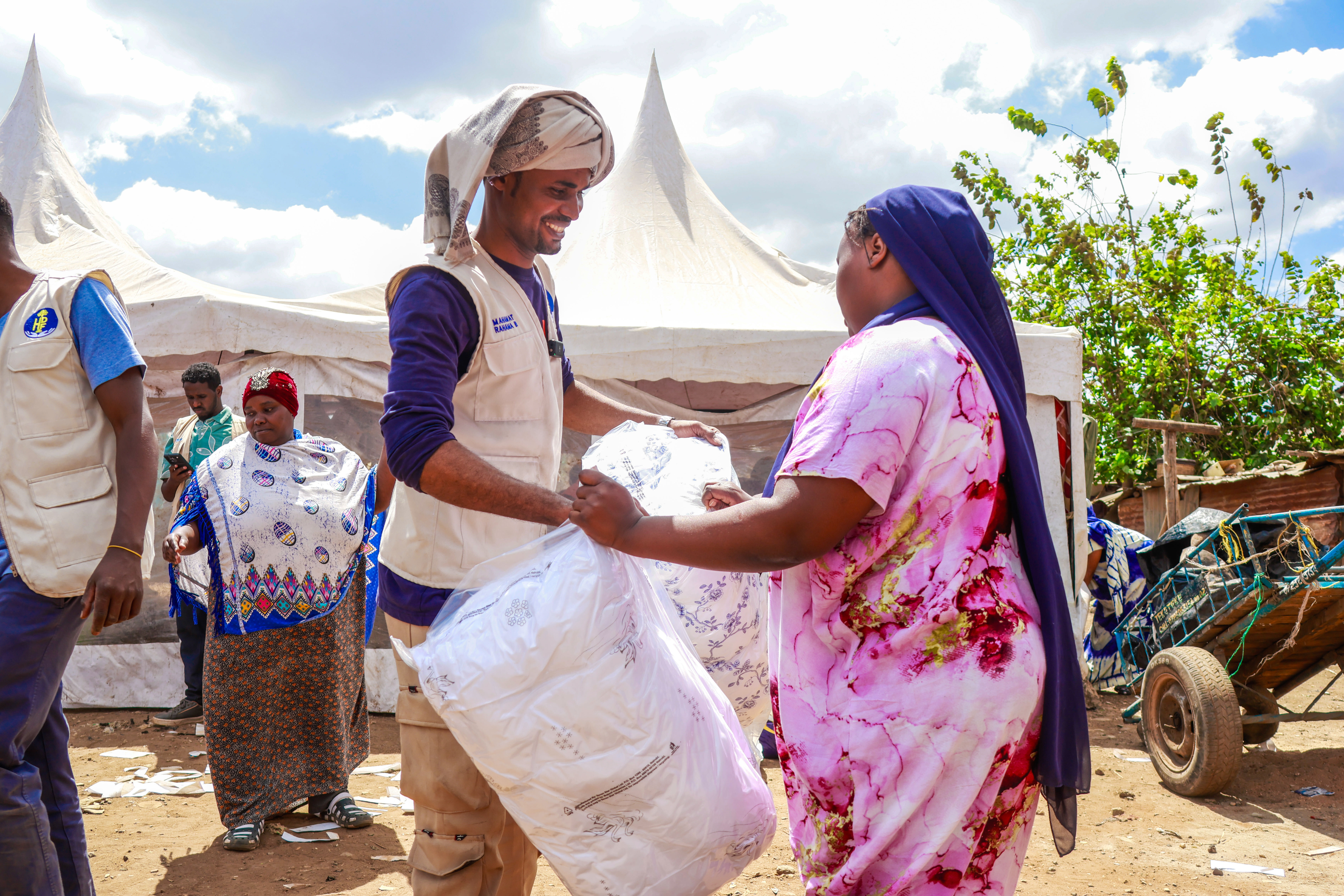
The assessment helped the team document those needs before deciding what assistance to provide.
Food and bedding provided immediate relief
As part of its Majengo fire emergency response, HDF distributed food parcels and bedding supplies to affected families. The assistance helped households meet basic needs after losing their homes and belongings.
For Aisha’s family, the food and bedding were an important first step. They did not replace everything the fire destroyed, but they helped the family through the immediate aftermath while the team continued working on Aisha’s mobility needs.
A new wheelchair restored daily movement
Following the assessment and initial relief distribution, HDF provided Aisha with a replacement wheelchair.
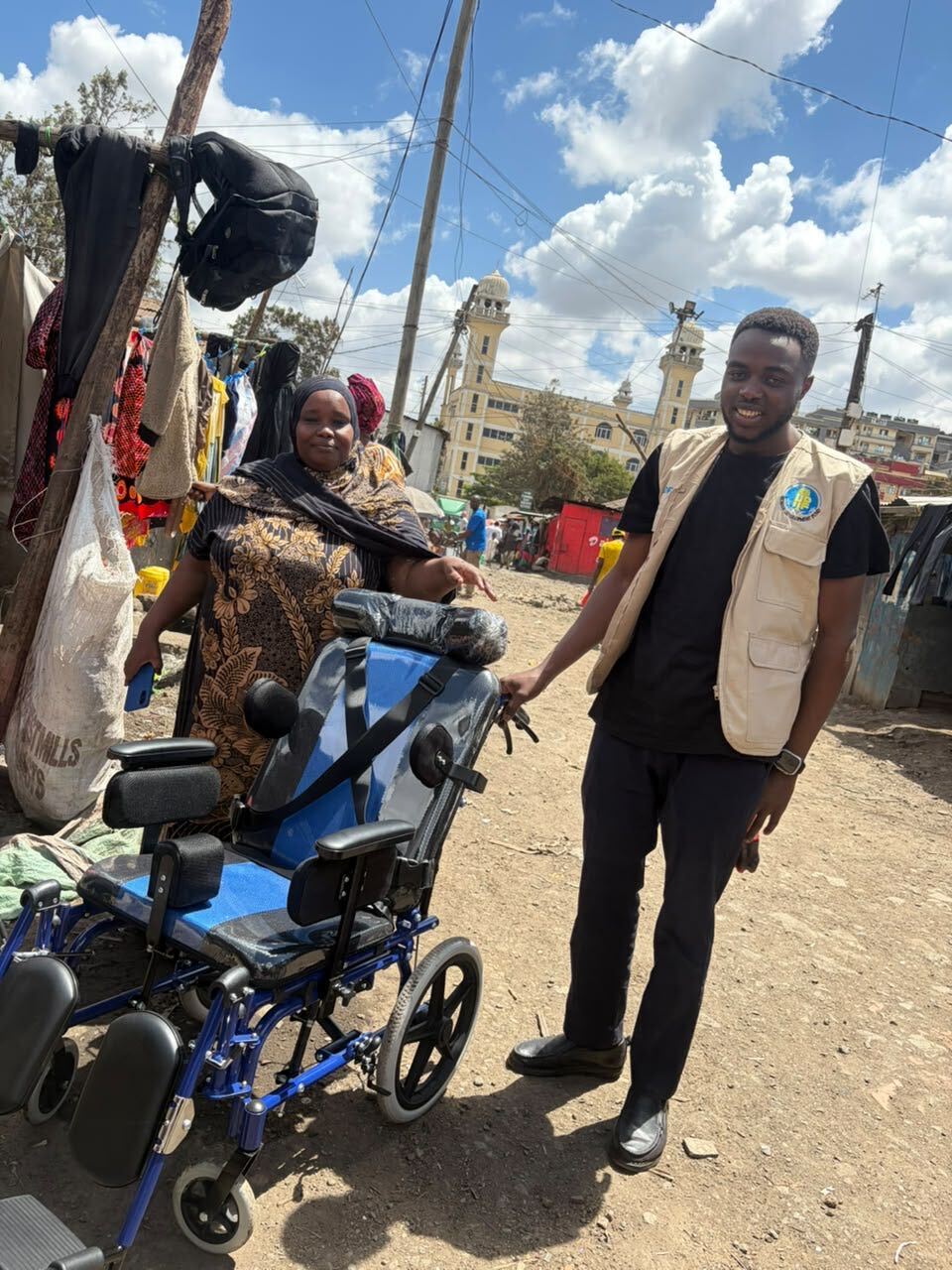
The new chair restored an essential part of her routine. It allows her to move more comfortably, spend time with her family and participate in activities that would otherwise be difficult to access. It also reduces the physical strain on relatives who had to carry her after the fire.
Replacing the wheelchair did not rebuild the family’s home, but it addressed one urgent need that affected Aisha every day.
Recovery continues beyond the first response
Aisha now has the mobility equipment she lost, but her family’s recovery is not complete. They still face the broader work of rebuilding their home and replacing what the fire destroyed.
Their experience shows why sustained relationships matter during emergencies. HDF knew Aisha before the fire, responded as her circumstances changed and continued beyond the first distribution to restore a specific part of her daily life.
Support HDF’s work in Kenya and help families access emergency relief, healthcare and other essential assistance when their circumstances suddenly change.


