


At Namanga Islamic Centre in Kenya, 128 children from Human Development Fund’s (HDF) Orphan Care Program lined up on Saturday, September 26, 2026, for something simple but unfamiliar to many of them: a routine health checkup.
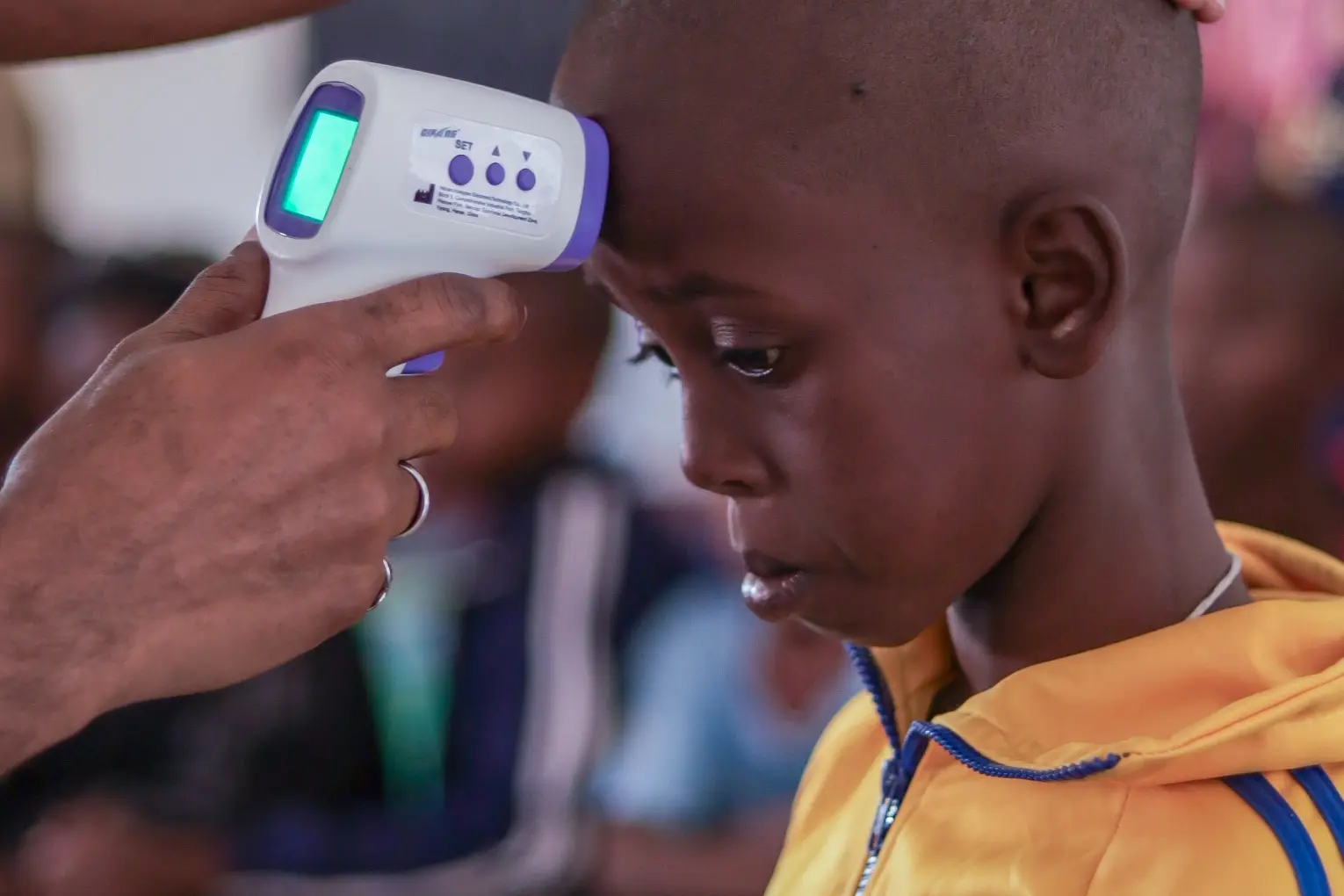
Clinicians recorded each child’s height and weight, checked their eyes and teeth, and completed a general physical examination. The Namanga child health screening brought preventive healthcare into a place the children already knew and trusted.
A checkup before illness
For children in the program who live with a widowed parent or grandparent, clinic visits often happen only after they become sick. This screening changed the order. The clinicians came to the children and examined them before an urgent health concern brought them to a clinic.
Each part of the screening contributed to a broader picture of the child’s health. Height and weight measurements established growth records. Eye and dental checks helped identify concerns that might otherwise go unnoticed. The general examination gave each child time with a clinician.
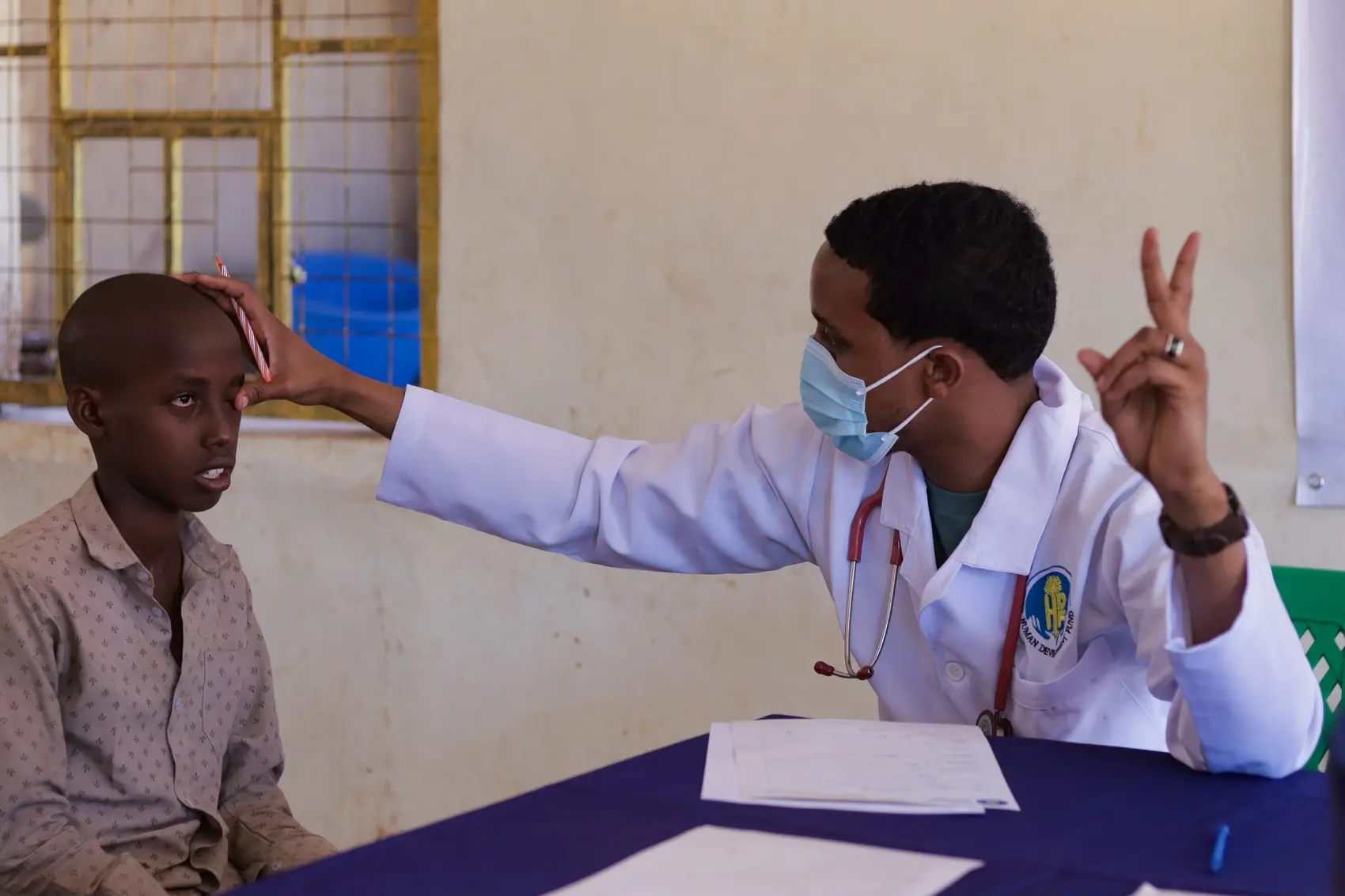
Bringing the screening to Namanga Islamic Centre also removed the need for families to navigate an unfamiliar location for a routine appointment. The children received healthcare in a setting already connected to their program and community.
Four referrals and four treatment plans
The screening found most of the 128 children healthy. Clinicians referred four children for follow-up care, mainly for general consultations. Each of those children now has a treatment plan.
The result shows why routine screening matters. A checkup can provide reassurance when a child is healthy. It can also identify the smaller number of children who need another consultation before a concern becomes harder to manage.
HDF is not publishing individual medical findings. What matters for this update is that the four referrals did not end with identification. Each child has a documented next step for follow-up.
A baseline for the next visit
The screening created a health baseline for every child who participated. When clinicians return next quarter, they will have records against which to compare growth and other observations.
That continuity turns a single screening day into ongoing health monitoring. It allows the Orphan Care Program to follow changes over time and respond when a child needs further attention.
Education, nutrition and healthcare affect one another in a child’s daily life. Regular screening helps HDF’s team understand another part of that picture and plan assistance using information recorded directly by clinicians.
Sponsor a child through HDF’s Orphan Care Program and help sustain education, healthcare, food assistance and ongoing guidance.


